

Booking an international vacation can sometimes feel like a complex puzzle. Between flights, hotels, transfers, and activities, the costs and logistics add up quickly. Package holidays have emerged as a popular solution for travelers seeking convenience, value, and peace of mind. A package holiday, often called a bundled vacation, combines two or more elements of a trip—like flights and hotel stays—into a single booking. This simplification is appealing to millions, with data showing a 113 percent increase in demand for package holidays recently.
The travel market has responded with platforms that allow travelers to compare these packages effectively. International travel deals have become easier to find, but the process itself requires a bit of strategy. With tools designed to scan millions of options across providers, travelers can now find great value and focus on what matters most—the experience itself. As the market evolves, understanding how to navigate these comparisons is key to planning a successful trip.
What is a Package Holiday? (Key Definition)
A package holiday is a type of travel product where the traveler purchases a combination of travel components from a single provider at a single price. In its simplest form, it typically includes flights and accommodation. However, modern packages can be much more complex, incorporating transfers, car rentals, tours, and even meals.
The traditional package holiday involved visiting a travel agent and picking a brochure. Now, the landscape is digital. Online Travel Agents (OTAs) and meta-search engines have transformed the process, allowing consumers to mix and match components from multiple suppliers.
One-Stop Shop: Packages offer the convenience of a single booking and single payment, which simplifies budgeting and reduces the hassle of managing multiple confirmations.
Risk Mitigation: Booking via ATOL-protected packages offers financial security, a significant draw compared to booking flights and hotels independently.
Consumer Protection: Regulations in many regions, such as the UK's Package Travel Regulations, provide robust protection for consumers when there are issues like flight cancellations or hotel overbookings.
The Rise of Comparison Platforms
The modern traveler’s search for the perfect vacation often begins with a comparison engine. While the traditional travel agent still exists, digital platforms have become the primary tool for planning. The launch of features like Skyscanner's package holiday search marks a significant shift in the industry.
These platforms operate as meta-search engines. Rather than selling holidays directly, they aggregate deals from hundreds of providers. For instance, Skyscanner’s new tool scans over 25 million package deals daily across major providers like TUI, Jet2, Expedia, and Loveholidays.
Save Money: By comparing numerous options, travelers can identify the best prices. Research suggests travelers can save up to 30% by using these tools.
Save Time: The ability to filter by destination, date, star rating, and board type (like all-inclusive) eliminates hours of manual searching.
Transparency: These platforms make it easier to see the total cost upfront, though travelers must be cautious of variable inclusions like transfers.
Key Factors Travelers Consider When Comparing Packages
When travelers sit down to compare different vacation packages, they usually look at a mix of price, value, and experience. The cheapest option isn't always the best; the "total value" often dictates the decision.
The upfront price is the starting point. However, savvy travelers calculate the total cost. A cheap package to a destination like Marrakech might look great, but if it involves a lengthy transfer or is in a remote location, the savings are offset by additional spending on transport. Meanwhile, Overseas Tour Packages that are slightly more expensive often include crucial elements like airport transfers and excursions, offering better overall value.
Travelers must read the fine print. One common pitfall is transfer costs. For a family of four, a private transfer from an airport to a resort can cost £150 or more, which is not always included in cheap package deals from OTAs.
Baggage Allowance: Comparison sites often don’t highlight that the cheapest flight option might not include cabin baggage, adding a significant surcharge.
Meals: The board basis (All-Inclusive vs. Self-Catering) is a huge factor. Travelers compare the cost of eating out versus paying upfront for an all-inclusive deal.
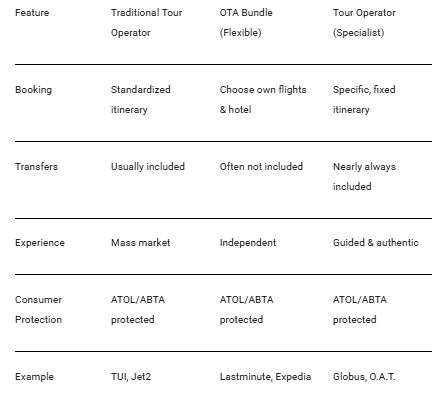
Modern travelers often seek authentic experiences rather than just a hotel and plane ticket. Some packages offer flexibility to explore, while others are rigid. A comparison involves looking at whether the itinerary allows for self-guided exploration or includes structured tours.
Location Entities and Their Appeal
Travelers don't just compare packages in a vacuum; they compare based on the destination. The type of package varies wildly depending on the location.
Dubai is a prime example of a destination with a huge variety of packages. Travelers compare packages that might include city tours, desert safaris, theme park passes, and even dinner cruises. For instance, travelers can compare passes like the Dubai Select Pass, which allows entry to three top attractions from a list that includes the Burj Khalifa and Atlantis Aquaventure, against the Unlimited Pass for multiple days of exploring. These comparison decisions often hinge on how many days the traveler has and what they want to see. For those looking specifically to maximize their time, Dubai activity packages offer a way to curate the experience without overspending on individual tickets.
In Japan, packages often center around logistics. An organized tour from a provider like IRCTC in India includes bullet train tickets, hotel stays, and visits to cultural sites like the Kinkaku-ji Temple. Travelers compare these guided packages with independent travel, weighing the cost of the Shinkansen rides and city tours against the convenience of having everything arranged.
Packages like the "Wonders of Sri Lanka with Southeast Asia Voyage" combine rail journeys, jeep safaris, and cruises. Travelers compare these complex itineraries against simpler beach packages, looking for the "once-in-a-lifetime" experience that includes specific activities like a safari at Minneriya National Park or a scenic train ride through the tea plantations.
Challenges in Comparing Packages
Despite the ease of comparison tools, there are distinct challenges travelers face when evaluating their options.
As noted by travel experts, comparing packages is difficult because providers include and exclude different features. One hotel might have a kids' club (which is irrelevant to a couple), while another is closer to the beach. Standard search filters often miss these specific micro-details, making it hard to evaluate personal suitability.
The cost and quality of the transfer from the airport is a major pain point. Packages from online agents often save money by booking cheaper hotels, but the traveler then has to figure out how to get there. Using a traditional tour operator often adds significant value here, as the company handles the logistics from the moment you land.
Having 25 million packages to choose from can cause "decision paralysis." Travelers often resort to simplifying their selection criteria (e.g., sorting by price only) rather than evaluating features, potentially missing out on a better value option.
Thematic Authority: Deep Dive into Decision Factors
To build authority, we must look at the qualitative factors that influence package choice.
Travelers are often booking for specific reasons.
Generational Trends: Research shows a surprising trend where a third of Gen Z and over a quarter of Millennials are more likely to favor package holidays than older travelers. The reasons cited are cost savings, reduced complexity, and the convenience of having one booking. This generation grew up with the internet, but the pandemic seems to have turned them toward the security of a formal package.
Family Needs: Family travelers prioritize facilities like kids' clubs and on-site dining. However, platforms like Skyscanner currently don’t allow filtering for these specific features, meaning families often end up relying on forums and reviews.
To navigate these issues, travelers should adopt a research methodology.
Price Check: Find the best price on a comparison site.
Verify Inclusions: Check the hotel's site to see if transfer costs are included or listed separately. Check the airline's site to confirm baggage fees.
Location Scouting: Compare the hotel's location on Google Maps. Is it near public transport? Is it far from the city center?
Review Aggregation: Cross-reference review scores on sites like TripAdvisor to see if the "good price" comes with compromised quality.
Key Takeaways
Consumer Protection: Packages offer stronger consumer protection (like ATOL) than booking flights and hotels separately.
Time Savings: Meta-search engines save time by aggregating millions of deals from providers like TUI, Expedia, and Loveholidays in one place.
Hidden Costs: The listed price is not the final price. Travelers must factor in transfer fees and baggage allowance when comparing.
Demographics Shifting: Millennials and Gen Z are embracing package holidays for their simplicity and cost-effectiveness.
Experience Variety: Packages now range from guided tours to flexible city breaks, suiting various traveler types.
Benefits of Using Comparison Tools
Cost Efficiency: The primary benefit. By scanning multiple providers simultaneously, travelers often find prices up to 30% lower than booking directly with the supplier or going to a brick-and-mortar travel agent.
One-Stop Planning: Travelers can book flights, hotels, and sometimes car rentals or tours in one session.
User-Centric Filters: Search filters allow users to refine by board basis, star rating, and specific dates, tailoring the search to their needs.
Trust and Safety: Platforms partnering with ATOL-protected providers ensure that the financial risk is low, offering peace of mind if the provider goes under.
The Future of Package Holiday Comparison
The travel industry is constantly evolving. We are moving toward a future where comparison engines are more granular and personalized.
Generative AI is likely to play a role in describing the "vibe" of a resort rather than just listing features. Instead of checking a box for "Kid's Club," users might ask, "Find me a family-friendly resort in the Maldives with a kids' club that is also close to snorkeling spots."
Modern travelers, particularly those taking themed tours like "Immersions in Japan," want to compare the "cultural depth" of a package, not just the price. Travelers will increasingly demand to see details about local encounters (home-hosted meals, artisan workshops) alongside hotel price points. This information will likely be integrated directly into comparison feeds.
As data infrastructure improves, comparison engines will guarantee real-time availability and pricing, eliminating the frustration of clicking through to a provider only to find the deal is gone.
FAQ
ATOL (Air Travel Organisers' Licensing) is a UK financial protection scheme. If a travel company goes out of business, ATOL ensures you are not stranded abroad and you get your money back if you haven't traveled yet. Most package deals offered by major UK providers are ATOL protected.
Often, packages are cheaper for standard trips because providers buy flights and hotel rooms in bulk. However, for complex trips or luxury stays, DIY booking may give more control over budget, especially if you find flight deals independently. The key is to compare the total cost.
Pay special attention to airport transfers (often £100+ per person), baggage allowances (cheap flights often charge extra for cabin bags), and resort fees (charges payable at the hotel upon check-out).
Skyscanner aggregates data from major providers including TUI, Jet2, easyJet Holidays, Expedia, Loveholidays, OnTheBeach, and Lastminute.com.
Yes, they are reliable for research. They do not process bookings themselves but redirect you to the provider's website to complete the booking, ensuring you get the official price.
Often, budget OTAs offer "dynamic packaging," which combines separate flight and hotel inventory. They usually don't include transfers (which are often provided by third-party local operators) because it adds too much complexity and margin to the price. Tour operators like TUI include transfers in-house.
Tour operators (like TUI and Jet2) are often better for families. They include bags, transfers, and have dedicated customer service. While OTAs (like Lastminute) might be cheaper, they often lack the ability to filter for kids' club facilities, and the non-inclusion of transfers can make the trip stressful.
Look beyond the headline price. Calculate the "value" by adding the cost of transfers and baggage if they are not included. Then, compare the total cost against the "flight-only" cost and the cost of the hotel "room-only" to see if the savings justify the inclusions.
City break packages are popular for destinations like Rome and Marrakech. A deal for a 4-night stay in Marrakech can cost as little as £353 per person, including flights and hotel. These are best found on comparison tools that specialize in short stays.
Package holidays are no longer seen as just for older generations. Younger demographics (Gen Z and Millennials) are driving a 113% increase in demand. They like the convenience and cost predictability, especially for larger groups and families.
Conclusion
Comparing international vacation packages is a skill that blends art and science. The science is in the numbers—using meta-search engines to find the best price, checking the fine print for hidden fees, and verifying inclusions. The art is in the experience—understanding your own preferences, the cultural depth of the destination, and the logistical support provided.
Whether you are looking for the excitement of dune bashing in Dubai or the serene beauty of a bullet train ride through Japan, a package holiday offers a streamlined path to world travel. By leveraging new comparison technologies and adopting a cautious, detail-oriented approach, travelers can find excellent value and embark on unforgettable journeys with confidence.